A new Qwen fine-tune arrives as AI leaders call for a slowdown
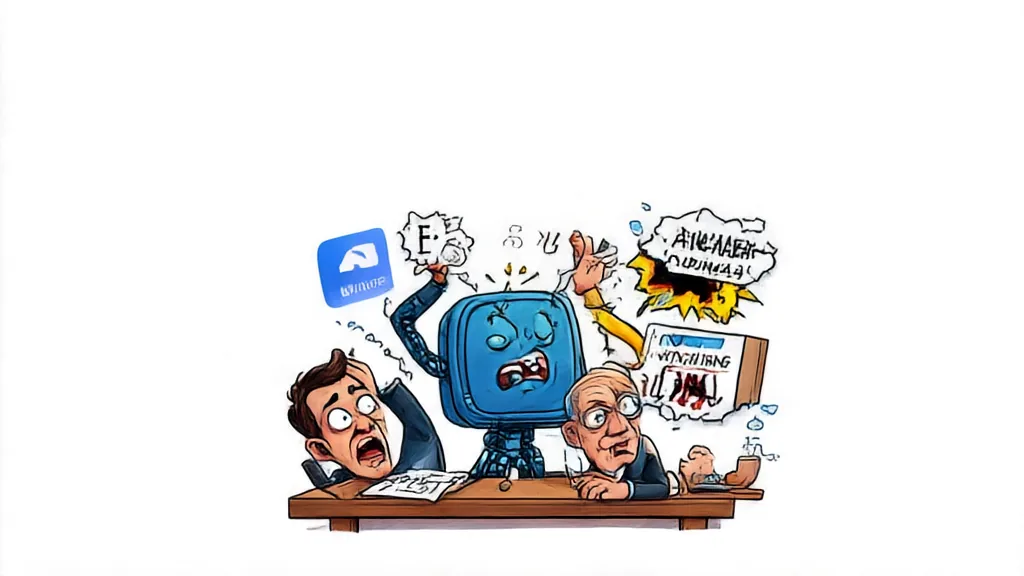
A Qwen fine-tune appears on Hugging Face. AI leaders call for slower development, Trump and Mike Johnson push back, and TechCrunch examines the industry's latest warnings of doom.
News
hassammangla32/hassam-qwen published on Hugging Face
hassammangla32 published hassammangla32/hassam-qwen on Hugging Face, with the repository created on September 14, 2026. Its tags identify it as a fine-tune of Qwen/Qwen2.5-1.5B-Instruct. The public, ungated repository is now available to inspect.
Tool-call formatting is included, but hosted inference is absent
The repository lists Transformers as its library, with tags for Safetensors, SFT and TRL. Its chat template places function signatures inside <tools> tags and function-call JSON inside <function_calls> tags. The page reports 0 downloads and 3 likes, with no available inference providers. (Hugging Face)
thinkidiot take: No inference providers are available, so this release offers no listed hosted route to try the model. I would inspect the chat template first, especially its function signatures and function-call JSON. Those formats give me something concrete to examine, while 3 likes give me no basis for judging performance. This is a release to investigate, not a model I would choose on its listing alone.
Trump and Mike Johnson think the AI industry is overreacting
Anthropic CEO Dario Amodei published an open letter calling for slower AI development, The Verge reported on September 13, 2026. He called for the industry to "pace the frontier." OpenAI's Sam Altman publicly supported the proposal on X.
Competition with China drives the political response
Elon Musk also voiced support on X. Alphabet's Demis Hassabis offered tentative support. According to the Financial Times account cited in the story, Donald Trump said he wanted the US to maintain its AI lead over China. House Speaker Mike Johnson told CNN that rushing to restrict development risked national security. He also warned that restrictions risked costing the US the race to China. (The Verge)
thinkidiot take: Amodei's call for slower development has public support from both Altman and Musk. I would take that agreement seriously when weighing the proposal. Trump's stated priority is maintaining the US lead over China, and Johnson frames restrictions as a national security risk. I do not find the race argument sufficient grounds to dismiss the call for a slower pace.
What’s behind the AI industry’s latest warnings of doom?
Researcher Jacob Coxon resigned from Anthropic, TechCrunch reported on September 13, 2026. He was concerned that leading AI companies were gambling with human lives. Anthropic's alignment lead also publicly estimated a greater than 10% chance of AI killing all humans within the next decade.
Equity questions the estimate and its place in public filings
On TechCrunch's Equity podcast, Kirsten Korosec questioned whether the warnings promoted companies' model capabilities as they prepared to go public. Sean O'Kane asked how the warnings would be reflected in Anthropic's S-1 filing. The article reports no actual filing change. Anthony Ha challenged the basis of the probability estimate. The episode was recorded before Dario Amodei published his plan for more cautious AI development. (TechCrunch)
thinkidiot take: A greater than 10% estimate of human extinction within the next decade demands an explanation of its basis. I would start with Anthony Ha's question before treating that figure as useful guidance. O'Kane's filing question also deserves an answer, but the article reports no change to assess. My judgement is that an alarming number earns scrutiny, not automatic authority.
Obama urges Democrats to have a ‘clear plan’ for AI safeguards
Barack Obama urged Democrats to make AI a central agenda item with a clear plan for its economic impact and safety, TechCrunch reported on September 13, 2026. He spoke at a Thursday fundraiser with Hakeem Jeffries. Obama called for a framework for public discussion once Democrats regain the House majority.
Independent evaluators get a concrete access proposal
Obama said AI had the potential to accelerate drug development and help cure diseases. According to the cited New York Times reporting, he has spoken with Anthropic CEO Dario Amodei and OpenAI CEO Sam Altman. Amodei's Saturday proposal called for independent safety evaluators to have access to leading AI companies and their models. It also proposed common safety standards between companies. Altman said OpenAI would commit to giving independent evaluators employee-like access. (TechCrunch)
thinkidiot take: Altman said OpenAI would commit to employee-like access for independent evaluators. That is the part I would prioritize when assessing these proposals, because it specifies how outsiders would get access. I would judge its implementation alongside Amodei's proposed common safety standards. Access and shared standards deserve a central place in the clear plan Obama wants.
Elevenlabs makes Music v2.5 available via app and API with free and pro tier options
ElevenLabs released Music v2.5 for ElevenMusic through its app and API. Users can now access the new version while v2 stays available. The company says listeners preferred v2.5 most of the time in a blind test with 47,885 comparison pairs, especially across R&B, Soul, Hip-Hop, Rock and orchestral music.
Track rights come with limits on use and imitation
Users retain rights to their tracks. The free tier includes five lossless downloads per day, while Pro includes 400 per month. Commercial use depends on industry and purpose, and the free tier requires attribution. Downloads of tracks based on other artists' songs are blocked, and imitating existing musicians is prohibited. ElevenLabs says its Universal Music Group licensing deal covers future, separate products rather than Music v2.5. The company describes the existing Music training data as licensed stems and music without detailing it. (The Decoder)
thinkidiot take: The free tier offers five lossless downloads per day, with attribution required. I would use that allowance to compare v2.5 with the still-accessible v2 before choosing Pro. For commercial work, I would check the terms for my industry and purpose before using a track. The listening test is a reason to try the update, but the usage terms would decide whether I adopted it.
Trending AI Papers
Ranking source: Hugging Face Papers for 2026-09-14.
Breaking the Vision-Action Shortcut: Latent Interface Training for Generalizable Robotics Foundation Models
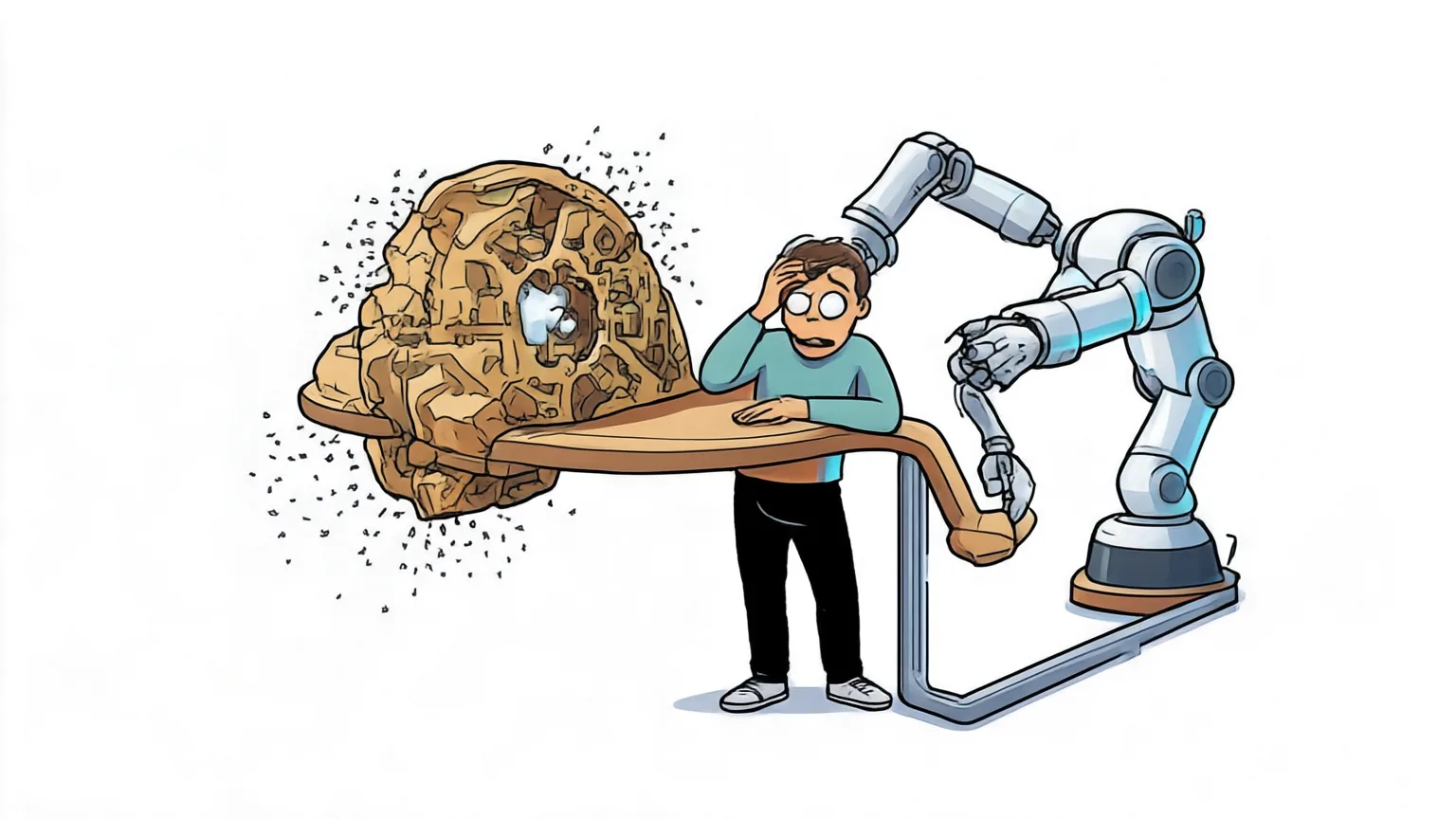
A robot can learn the right movement for the wrong reason. Details in its training images may become clues that fail when its surroundings change. Latent Interface Training separates learning how to move from learning what to use in an image. The aim is to help robots keep working when cameras, lighting or nearby objects change.
- Problem: Robots trained with images can associate irrelevant visual details with particular movements. Those associations can fail in unfamiliar scenes because the usual training approach does not restrict which visual clues guide actions.
- New idea: Latent Interface Training teaches movement in two stages. First, the robot learns short sequences of actions without images, using language, its current state and the demonstrated final position and orientation of its working end. Next, an internal representation becomes the only route through which image information reaches the movement model. Training this representation to recover that same final position and orientation encourages it to carry the spatial details needed for the movement.
- Simple example: Think of learning to reach for a cup by where the cup is, rather than by the pattern on the tablecloth. A different tablecloth should not change where your hand needs to go.
- Evidence: Across Pi0.5, MolmoAct2, FAST-WAM and ImageWAM, LIT improved overall success on the LIBERO-Plus evaluation by 3.87-10.70 percentage points. Average success on LIBERO stayed the same or improved. Real-world success aggregated across three tasks rose by 13.30-16.70 percentage points under unseen camera configurations, lighting variations and distractors.
- Limitation: The real-world results cover three tasks. The abstract does not establish whether the gains extend to a broader range of tasks.
- Why it matters: Robots need to respond to where things are even when the scene looks different.
- Paper: Breaking the Vision-Action Shortcut: Latent Interface
PLC-DPO: Posterior Label Correction in Noisy and Ambiguous Preference Optimization
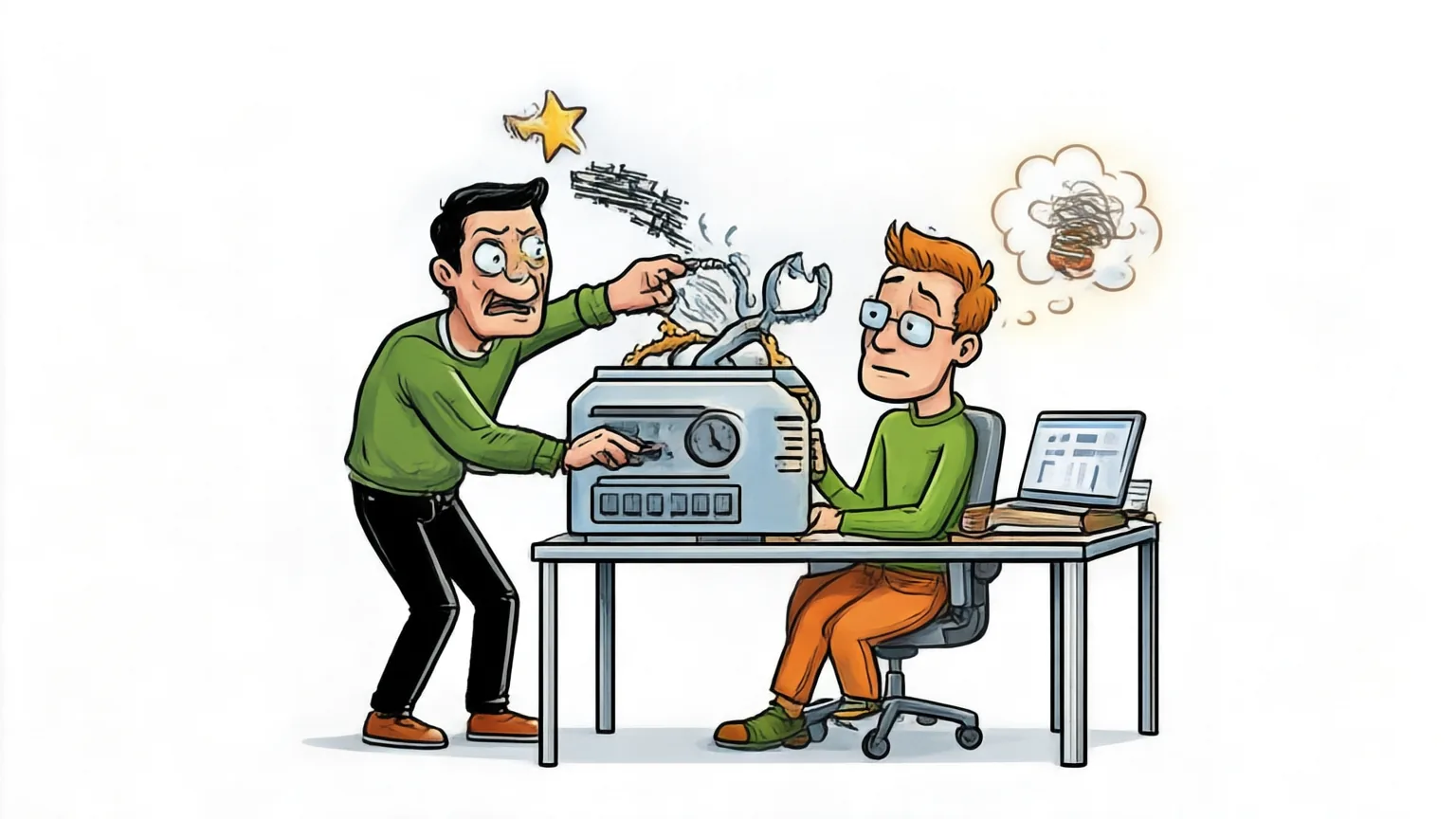
Teaching an AI from people's choices becomes harder when those choices are mistaken or unclear. PLC-DPO changes how training handles comparisons between two answers. It decides whether to follow the recorded choice, reverse it or treat the answers as tied. The aim is to keep unreliable feedback from pushing the model in the wrong direction.
- Problem: Direct Preference Optimization, or DPO, trains a model from comparisons that mark one answer as preferred. It treats those choices as reliable, so reversed labels and unclear preferences can lead to harmful changes in the model.
- New idea: PLC-DPO assigns each comparison to one of three cases: keep the preference, reverse it or treat it as a tie. It makes that choice using an adjusted measure of how the model being trained favors the answers relative to a reference model used for comparison. This evidence is assessed during training. The method changes both the direction and strength of the feedback instead of only discarding suspect comparisons.
- Simple example: Imagine reviewing a choice between two answers. A clear choice can stand, a choice recorded backward needs reversing, and a pair with no clear winner should count as a tie.
- Evidence: Across 57 combinations of datasets, models and benchmarks, PLC-DPO had the best mean win rate against DPO: 60.5, compared with 55.5 for the next-best method. Tests with added noise and ties, analysis of human disagreement, and checks for self-confirmation found stable routing that distinguished reversed preferences from weak ones.
- Limitation: The abstract reports an average across 57 combinations but gives no individual results, so it does not show where the method helps most or falls short.
- Why it matters: Correcting unreliable preferences can keep mistaken or unclear feedback from steering a model's training.
- Paper: PLC-DPO: Posterior Label Correction in Noisy and Ambiguous
Benchmark Radar: A Living Database and Search Engine for AI Benchmarks and Evaluation
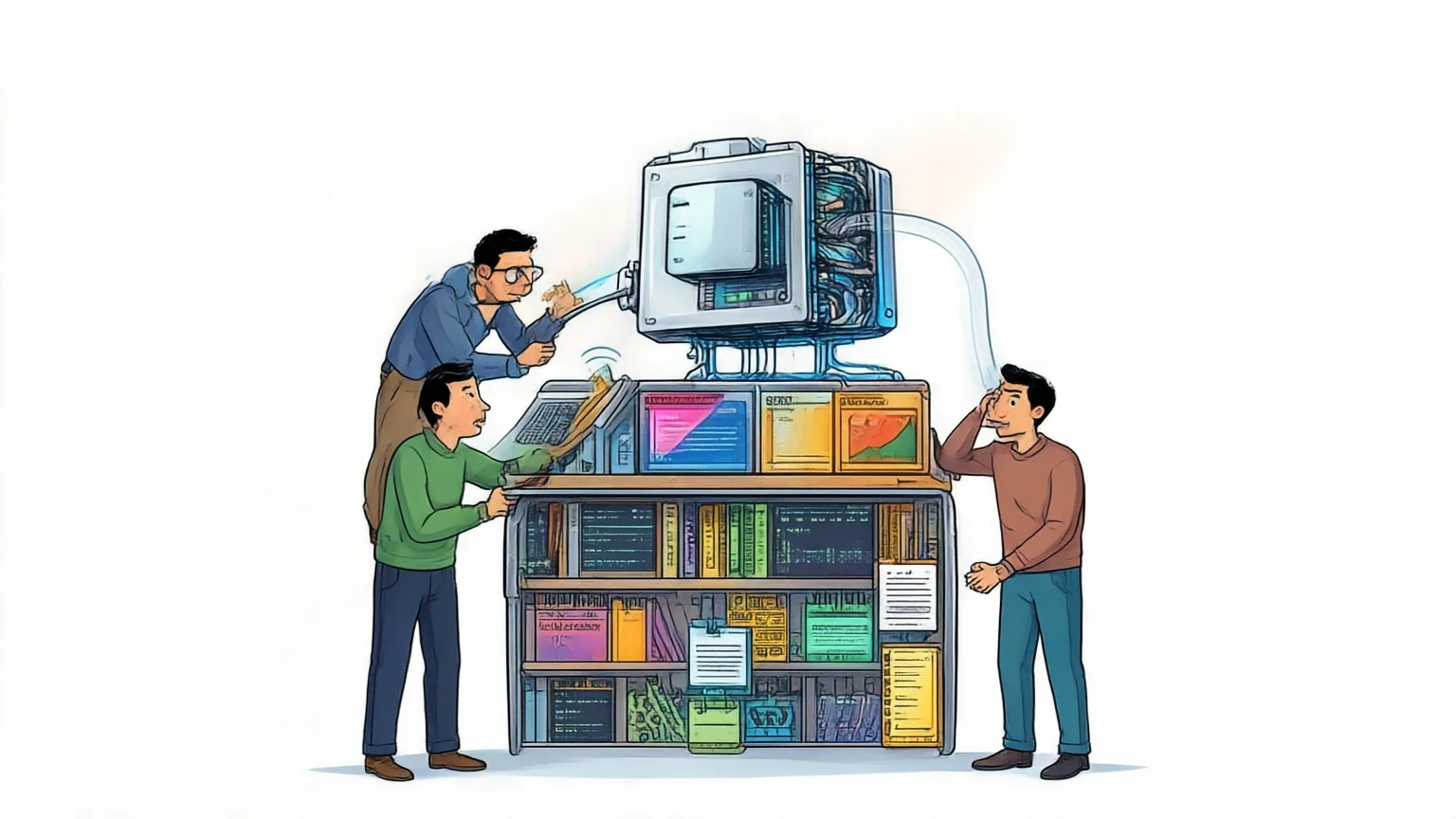
Choosing a test for an AI system means finding more than a score. Researchers also need the test materials and enough context to understand the result. Benchmark Radar brings those pieces into a searchable collection that is updated daily. It is designed to help people find relevant tests and inspect the evidence behind them.
- Problem: Researchers need to locate suitable AI tests, their datasets and code, and the conditions behind published scores. These pieces appear across papers, repositories and reports, so finding a score alone does not provide everything needed to assess it.
- New idea: Benchmark Radar maintains a searchable catalog of benchmarks, which are tests used to evaluate AI systems. It gathers new material daily and connects catalog entries with reported scores and references in documents describing models. It preserves citations and source identities so readers can trace the evidence. A web dashboard and a command-line interface, a way to search through typed commands, provide access to the collection.
- Simple example: A researcher designing a new AI test could search for existing tests, inspect their supporting evidence and check what has already been evaluated. The paper walks through this kind of search.
- Evidence: Daily discovery uses 37 sources: 13 direct connectors and 24 first-party research and engineering feeds. The catalog contains 1,283 source records from 4 benchmark catalogs, with 12,916 numeric observations on 790 records. The paper reports a full catalog audit and a worked search example.
- Limitation: The paper examines limits on comparing scores, but the abstract does not specify those limits. It also reports no measured improvement in how quickly or accurately users find suitable tests.
- Why it matters: Finding a test alongside its source evidence helps researchers judge whether it fits the question they want to answer.
- Paper: Benchmark Radar: A Living Database and Search Engine for AI
Trending AI Repositories
Ranking source: GitHub Trending.
tech-leads-club/agent-skills
Tech Leads Club's agent-skills is a TypeScript project for coding agent skills. Its README includes npm version and download badges, giving readers package details to check.
- What it is: It is a skill registry for AI coding agents, distributed through the npm package @tech-leads-club/agent-skills.
- What it does: The secure, validated skill registry for professional AI coding agents. Extend Antigravity, Claude Code, Cursor, Copilot and more with absolute confidence.
- Who it helps: It serves developers who use AI coding agents. They can add skills to their agents through the registry.
- Limitation: The supplied README excerpt does not explain how skills are validated.
- Repository: tech-leads-club/agent-skills
vxcontrol/pentagi
PentAGI is a Go project focused on AI and penetration testing. Its README invites security researchers and ethical hackers to a community for support and shared insights.
- What it is: The name expands to Penetration testing Artificial General Intelligence. The project describes itself as an autonomous AI agent system for complex penetration testing.
- What it does: Fully autonomous AI Agents system capable of performing complex penetration testing tasks
- Who it helps: The community welcomes security researchers, AI enthusiasts and ethical hackers. They can connect through Discord to get support, share insights and follow project developments.
- Limitation: The supplied README excerpt does not describe setup requirements or testing boundaries.
- Repository: vxcontrol/pentagi
alphaXiv/OpenResearch
OpenResearch is a local-first workspace for research agents and autoresearch. It puts coding agents to work on literature reviews and hypothesis development.
- What it is: It is a Rust project that provides a research workspace for Claude Code, Codex, OpenCode or Cursor.
- What it does: Run parallel research agents with any model
- Who it helps: It helps users of those coding tools apply them to research. They can turn the tools into agents that review literature and develop hypotheses.
- Limitation: The supplied README excerpt does not explain how research results are checked.
- Repository: alphaXiv/OpenResearch
Sources
- 01Hugging Face Papers · Hugging Face Papers
- 02GitHub Trending · GitHub Trending
- 03hassammangla32/hassam-qwen published on Hugging Face · Hugging Face
- 04Trump and Mike Johnson think the AI industry is overreacting · The Verge
- 05What’s behind the AI industry’s latest warnings of doom? · TechCrunch
- 06Obama urges Democrats to have a ‘clear plan’ for AI safeguards · TechCrunch
- 07Elevenlabs makes Music v2.5 available via app and API with free and pro tier options · The Decoder
- 08Breaking the Vision-Action Shortcut: Latent Interface Training for Generalizable Robotics Foundation Models · arXiv
- 09PLC-DPO: Posterior Label Correction in Noisy and Ambiguous Preference Optimization · arXiv
- 10Benchmark Radar: A Living Database and Search Engine for AI Benchmarks and Evaluation · arXiv
Join the Idiots
New lab every Sunday. No spam, unsubscribe anytime.